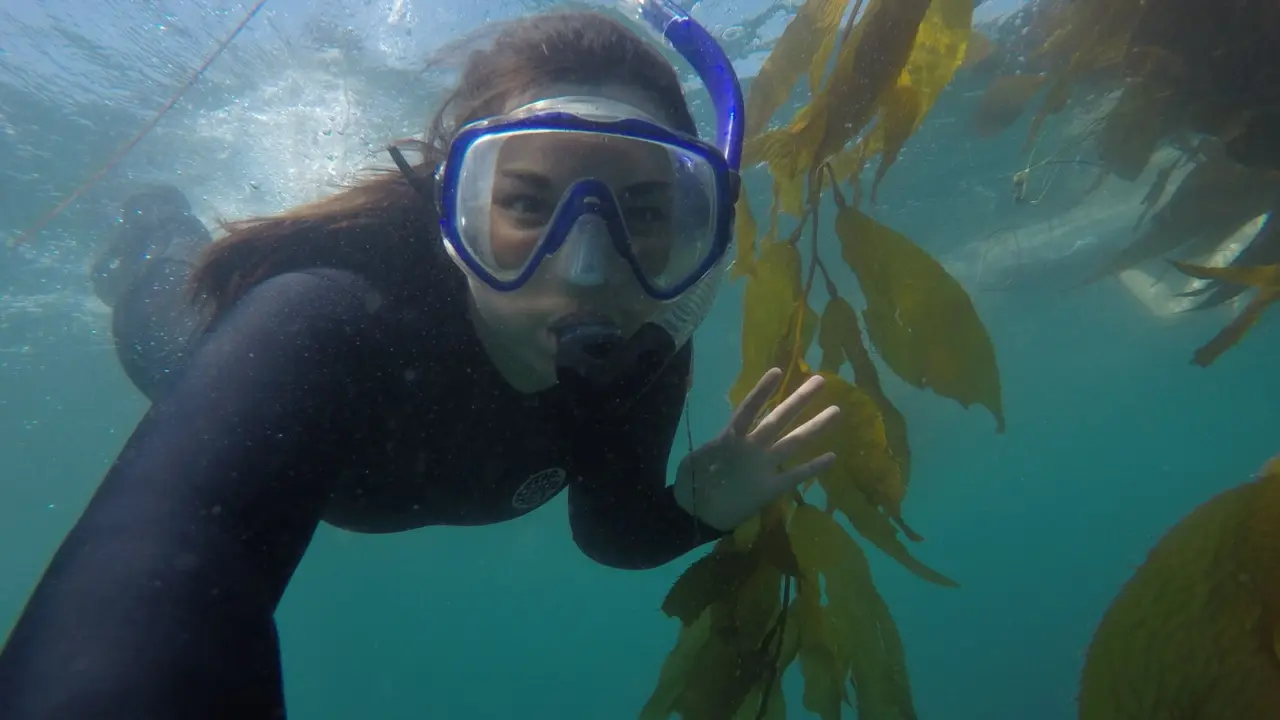
Impacts of Kelp Forests on Ocean Acidification in Santa Monica Bay
Research suggests that as humans continue releasing carbon dioxide into our atmosphere our oceans are changing in ways that may drastically affect marine life.

Research suggests that as humans continue releasing carbon dioxide into our atmosphere our oceans are changing in ways that may drastically affect marine life.
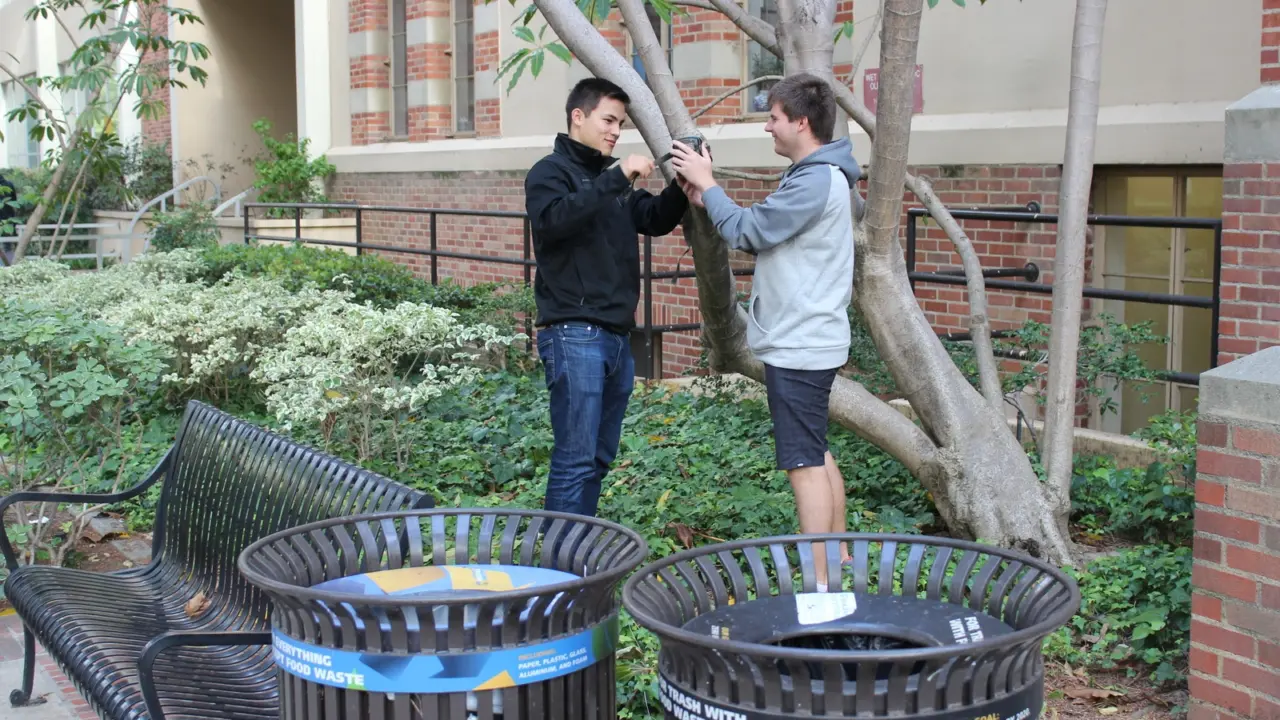
Our goals are to reduce the usage of rodenticide on campus which can have deleterious effects on the local ecosystems. To do this we have piloted a pest-proof trash collector…
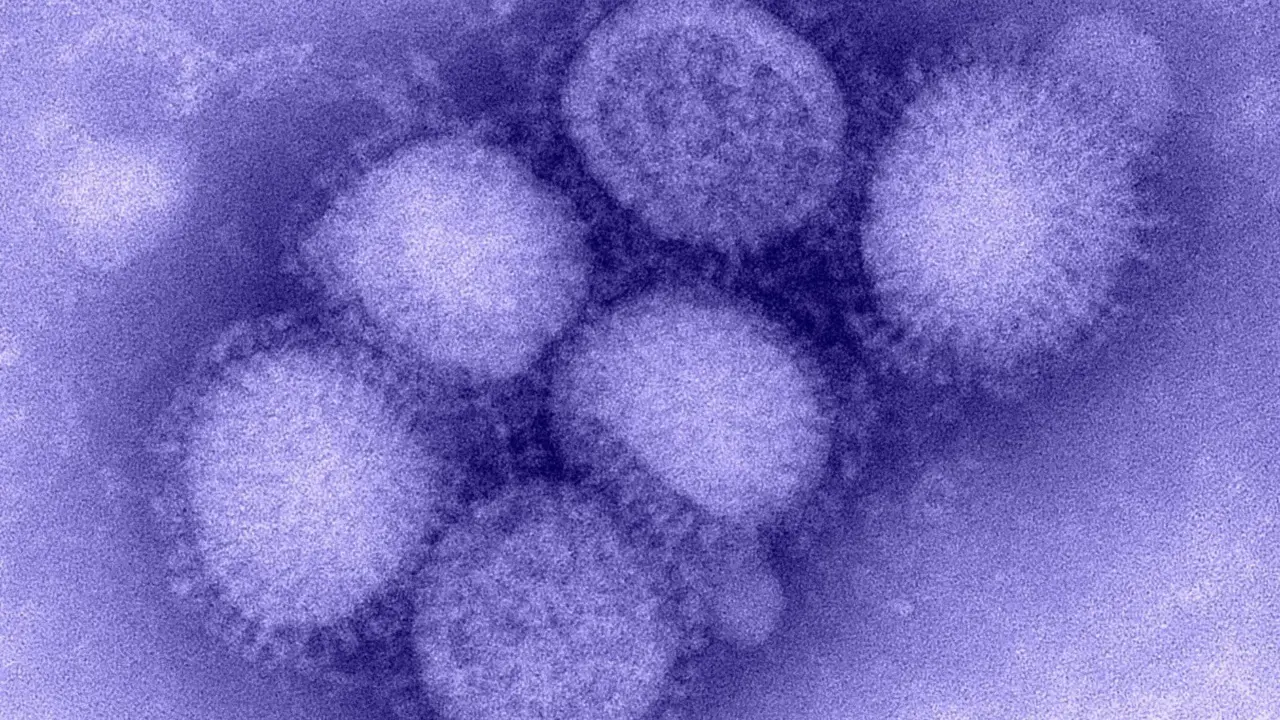
The UCLA Center for Tropical Research (CTR) is at the forefront of research and surveillance of avian influenza virus (bird flu or avian flu) in wild birds. CTR has led…
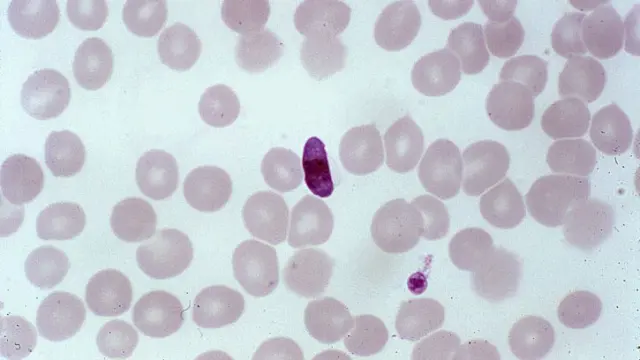
Malaria parasites use vertebrate hosts for the asexual stages of their life cycle and Dipteran vectors for both the sexual and asexual development, but the literature on avian malaria parasites remains biased towards bird-parasite associations. Our work samples vectors/birds to provide information about status of infection of both host and vector.
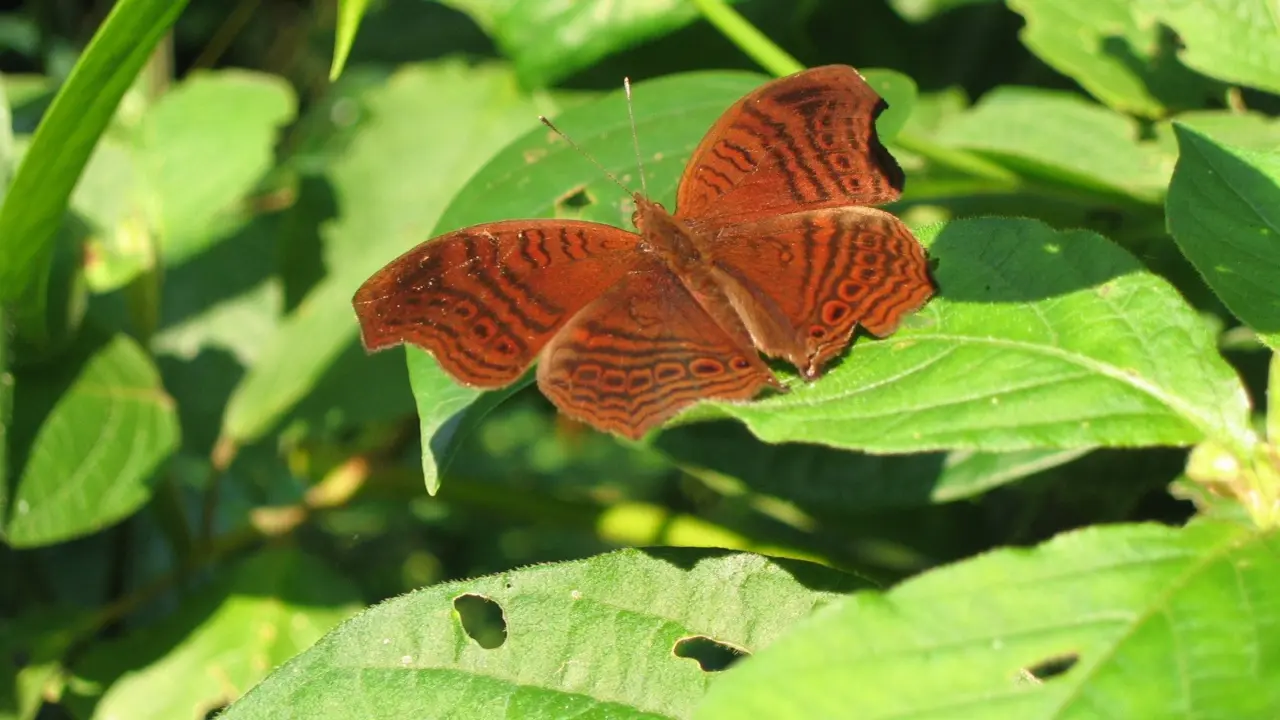
Southern California harbors some of the highest levels of biodiversity on the continent, yet is also home to millions of humans that compete for wildlife space and resources. In order to best balance these often competing components, researchers at the Center for Tropical Research are helping to construct a Los Angeles Biodiversity Atlas.
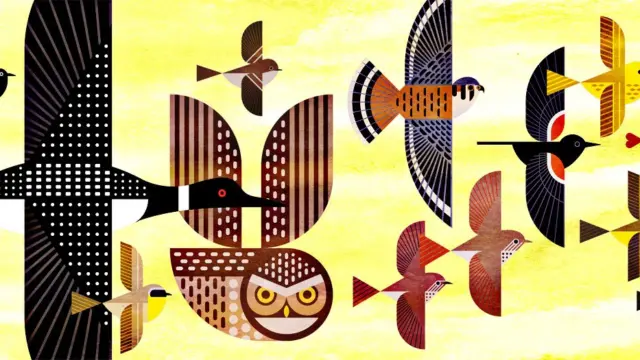
The Center for Tropical Research recently launched the Bird Genoscape Project, an effort to map the population-specific migratory routes of 100 species of migratory songbirds by harnessing the power of genomics.
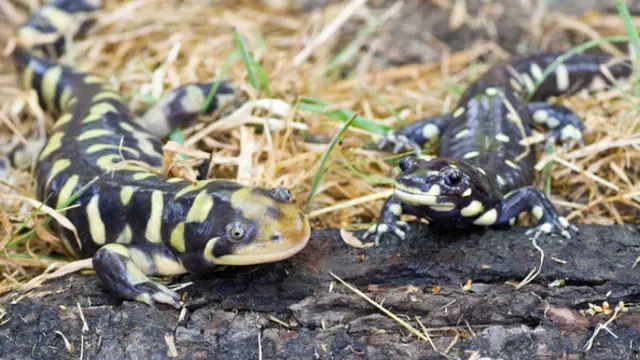
Researchers at the La Kretz Center are developing a framework for protecting the genetic integrity of the endangered California tiger salamander from invasive non-natives.
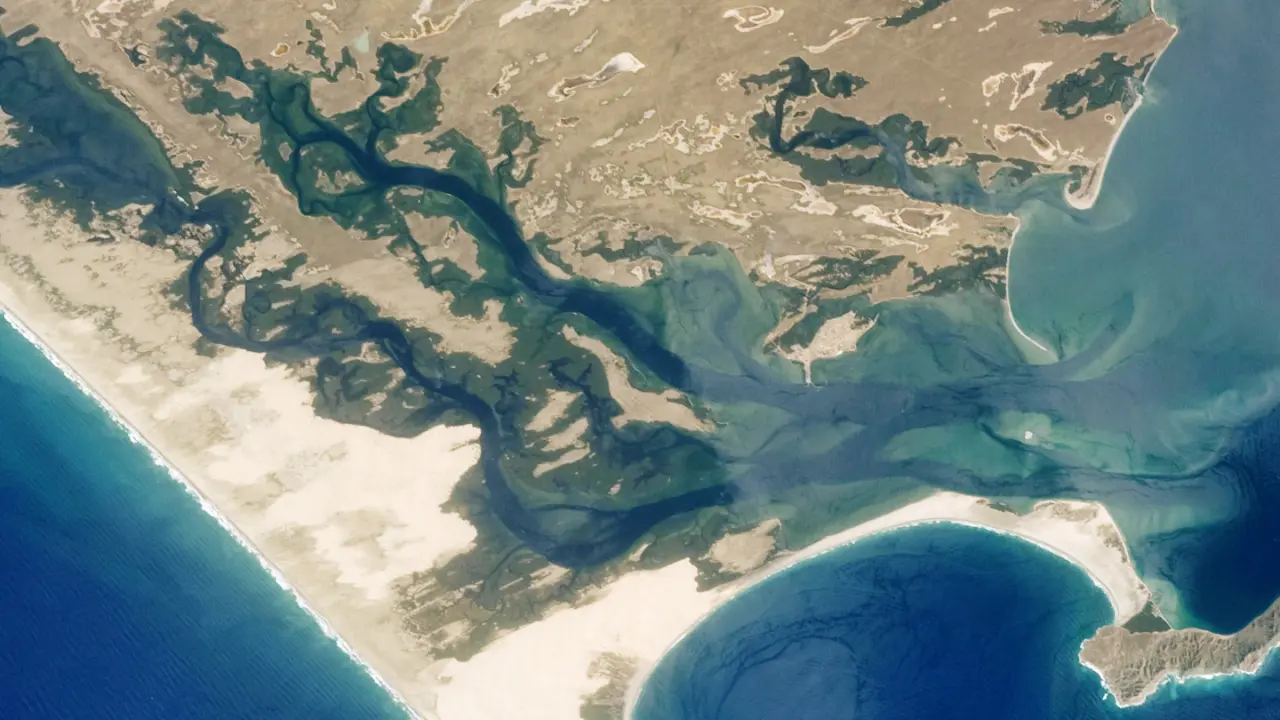
Integrating physiological threshold experiments, remote sensing, and climate modeling to characterize the sensitivity of coastal ecosystems to climate change
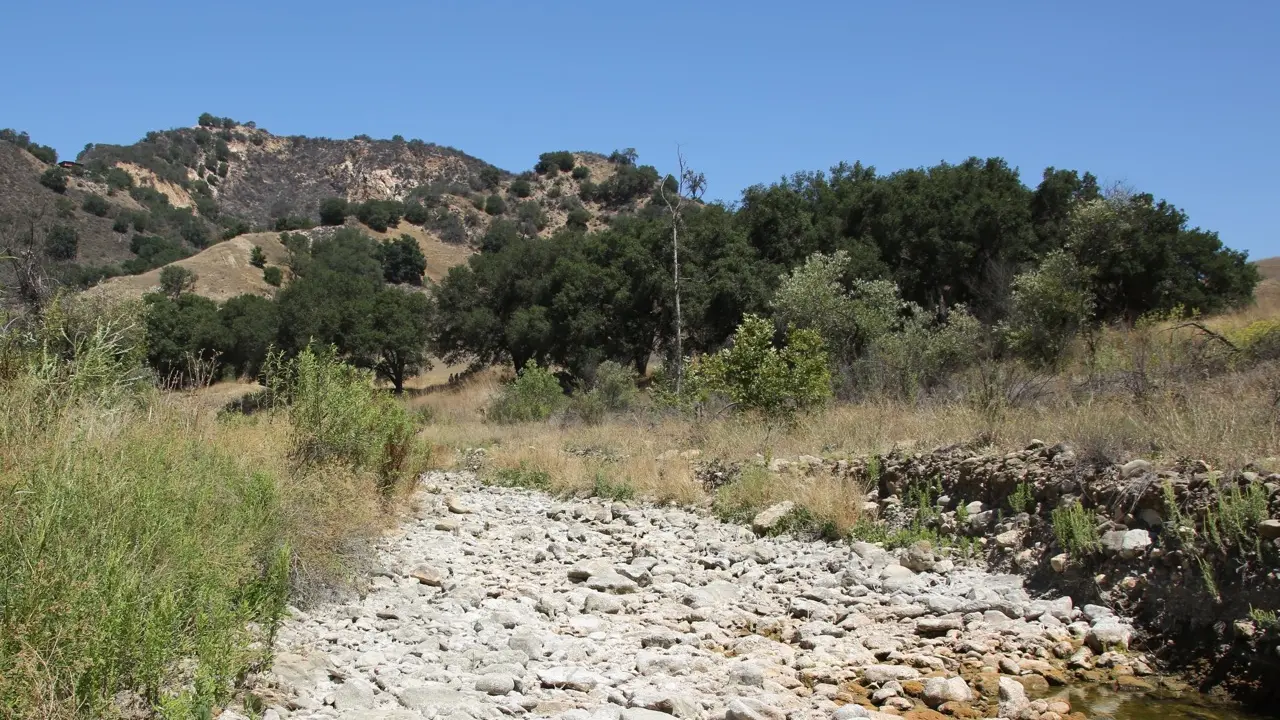
La Kretz Center Postdoc Dr. Alex Pivovaroff works on looking at native species response to environmental change throughout the year.
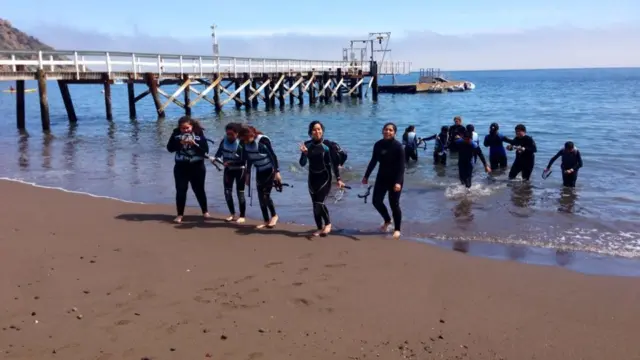
Our community outreach includes visiting schools, hosting groups for tours, mentorship, and research experience for high school students and teachers and members of the public.
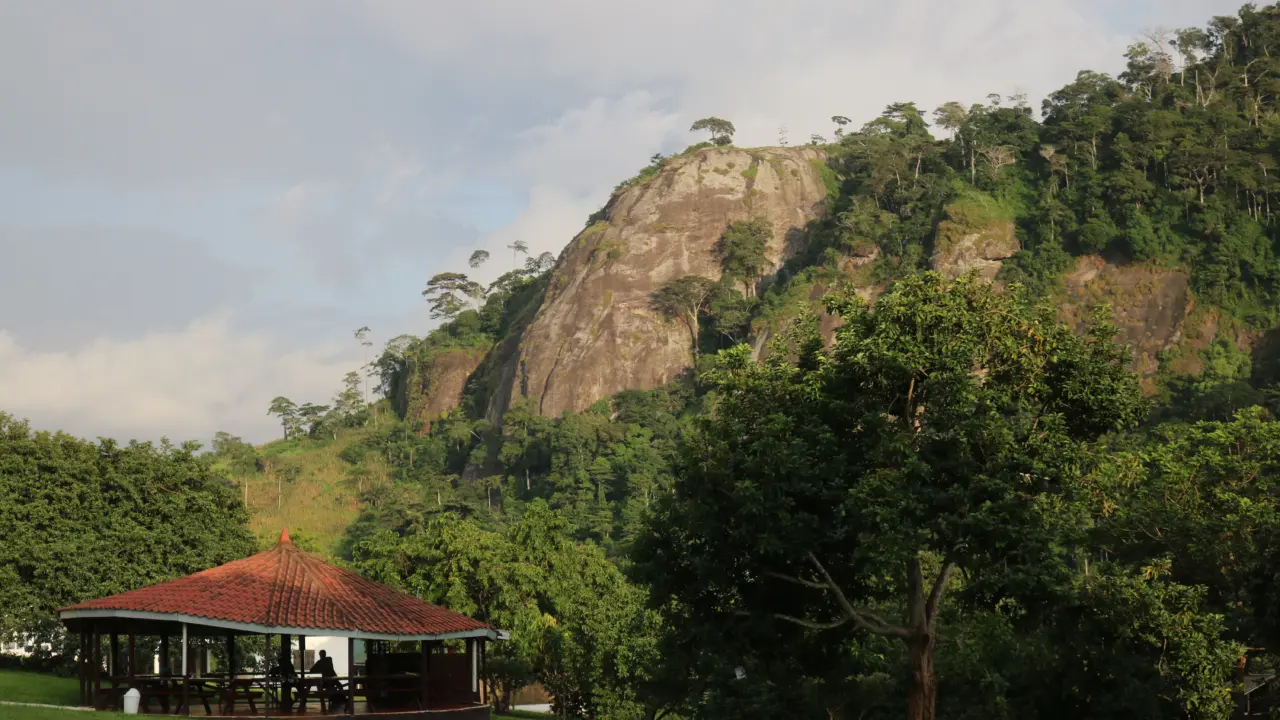
As UCLA's first foreign affiliate, the Congo Basin Institute in Cameroon provides a vital space for training and scientific research in Africa.
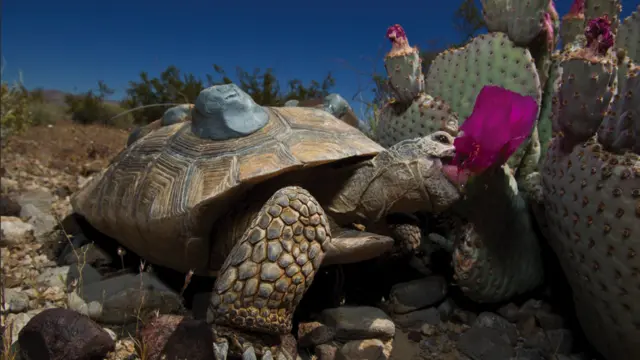
At the La Kretz Center, scientists are working toward a win-win between green energy and endangered species conservation in the Mojave Desert.