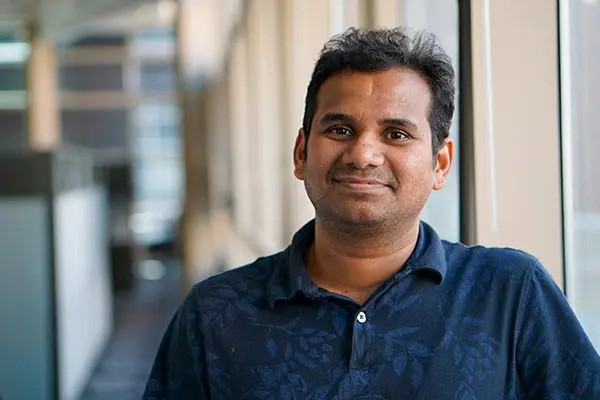
Google announced in April the first cohort of 86 recipients, representing more than 50 universities in 15 countries. The program was created to support early-career faculty working on cutting-edge research across…
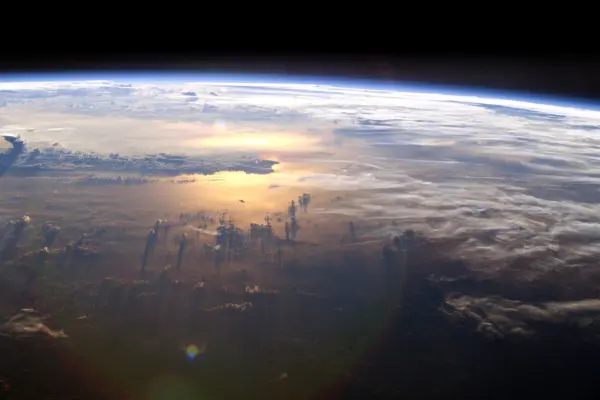
Atmospheric moisture decreased by a third in California and Nevada since 1950, a study led by Karen Mckinnon of ULCA’s Insitute of the Environment and Sustainability finds. For an already…
Everyone was making small talk, trying to figure out what they had in common. Jacob told me he was a microbiology major from a tiny town in upstate New York…
Costa Rica is often considered an environmental leader and success story. Home to 28 national parks and various other reserves, protected areas account for over a quarter of its total…
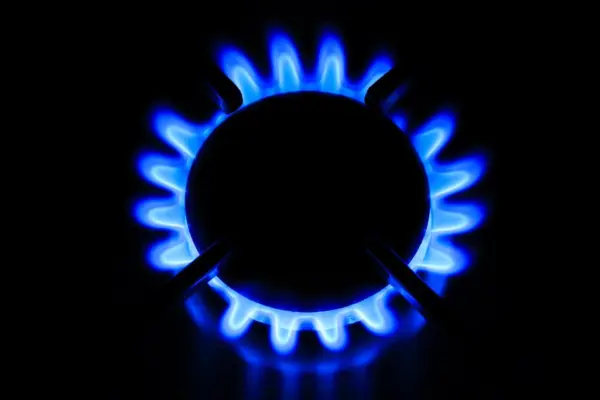
“Natural gas bans” refer to a diversity of municipal building code changes that disallow certain uses of natural gas in new residential buildings. Gas bans vary in terms of their provisions, but all are intended, along with complementary building electrification programs, to limit the amount of fossil fuels that must be extracted, transported, and burned to meet residential energy needs, thus reducing carbon emissions from buildings, which currently account for approximately 30 percent of the US’s total greenhouse gas (GHG) emissions.
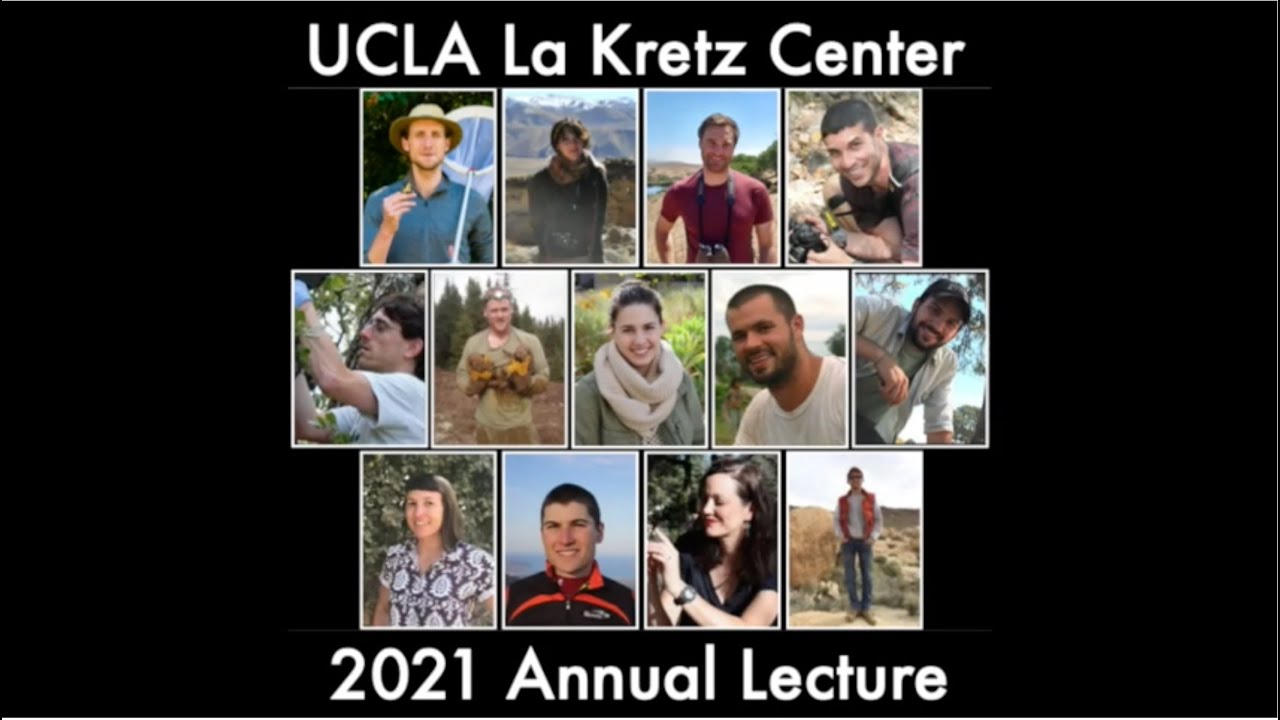
This event celebrates ten years of conservation research, featuring 3 minute lightening talks by each of our 13 past, current, and future La Kretz postdoctoral fellows. The presentations are followed…
A study by UCLA scientists raises a concern about the makeup of some of the fertilizers being used on crops, gardens, and landscaping. A portion of the fertilizer used in…
As billions of dollars become available, UCLA-Liberty Hill Foundation report recommends actions for community-informed, integrated infrastructure to improve quality of life for Angelenos Affordable housing adjacent to a public transit…
The UCLA research suggests that fertilizer could contain far more plastic particles — as much as 25 times more — than was previously suspected. How tiny particles of plastic called…
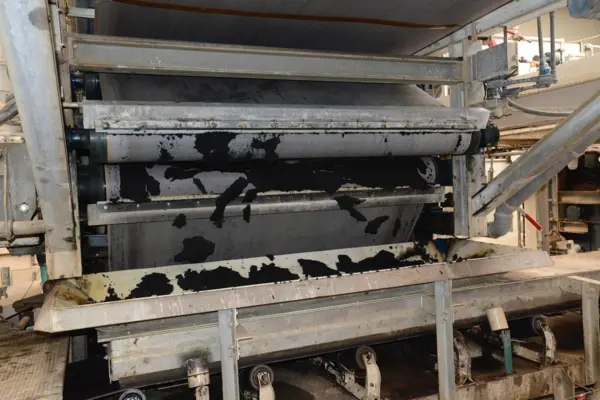
The estimated 23 million people who live along the coast from Tijuana, Mexico, to Santa Barbara, California, produce tons of sewage each day. That sewage is treated by water treatment…
Dr. Longcore is an associate adjunct professor at UCLA’s Institute of the Environment and Sustainability and conducts research on the conservation of biodiversity in cities. He has taught at Sage…
Maura Palacios Mejia is a Howard Hughes Medical Institute Postdoctoral Scholar in the Wayne Lab at UCLA, and her research focuses on applying environmental DNA to address issues in conservation…
Professor Ryan Harrigan is an assistant adjunct professor at the UCLA Institue of the Environment and Sustainability and an Assistant Researcher for the Center for Tropical Research. In 2015, he…
Professor Thomas Wake is in the Department of Anthropology and is significantly involved with Sage Hill. He sounded the alarm to protect Sage Hill nearly 15 years ago and promotes…
Professor Tom Smith is the founding director of the Center for Tropical Research, Institute of the Environment and Sustainability, and is a distinguished professor in the UCLA Department of Ecology…
Professor Gillespie is a part of the UCLA Department of Geography, is the advisor for the Environmental Student Network, and was the stakeholder for the SAR 2017 Biodiversity Restoration: Giving…
Mark Rosman is a lecturer and coordinator for the UCLA School of Theater, Film, and Television’s first year MFA Director Cinematography Program. Rosman uses Sage Hill as a shooting location.…
Professor Alison Lipman teaches a number of courses at UCLA, including Why Ecology Matters: Science Behind Environmental Issues (EEBIO 18), Evolution, Ecology, and Biodiversity (LIFESCI 1), and Introduction to Ecology…