California Center for Sustainable Communities

News & Events

NEWS

Blog

The California Center for Sustainable Communities at the Institute of the Environment and Sustainability strongly condemns the mob attack on our UCLA student encampment. 

We object in the strongest possible terms to the University's failure to support our students' right to protest peacefully and to be kept safe while doing so. We are horrified that Chancellor Block did not exercise his responsibility to protect and support students. We believe his statements (and those of President Drake) opened the way to these attacks on our community. The exemplary nature of this encampment made it a target for those who oppose the free exercise of views that differ from their own. Continuing to arrest and jail protesters will not lead to a thoughtful and productive discussion about the very real issues raised by the Israeli invasion of Gaza, and what the University can do to help curb the extraordinary suffering and deaths that are occurring. We call for the convocation of a body to discuss the substantive calls for disclosure and divestment. We also support full legal, academic and disciplinary amnesty for all students, staff, and faculty.


Awards

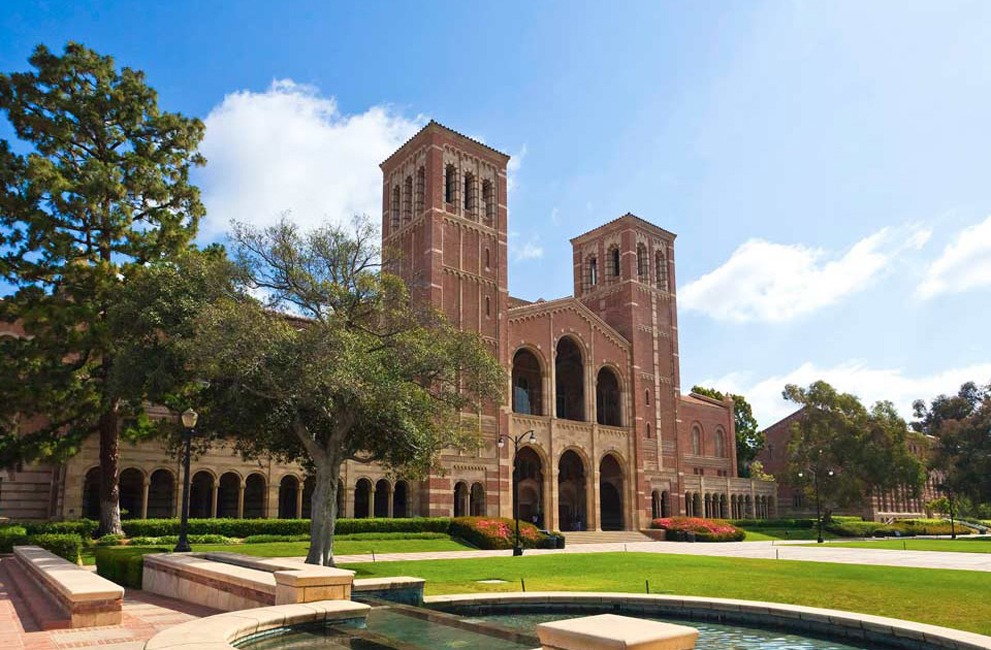
UCLA Named Finalist for SEPA Power Player Award in Equity

The California Center for Sustainable Communities, along with UCLA research teams and departments, has been selected as a finalist for the Smart Electric Power Alliance (SEPA) 2024 Power Player Awards in the Equity category.


Announcements

Stephanie Pincetl Co-Authors Research on Net Zero Urban Water

Founding Director of the California Center for Sustainable Communities and Chair of UCLA’s Environment and Sustainability Ph.D. program Dr. Stephanie Pincetl co-authored a study, “Advancing a Net Zero Urban Water Future in the United States Southwest.” Published in ACS ES&T Water, the research examines the feasibility of Net Zero Urban Water (NZUW) — cities becoming self-sufficient with local water sources. This is crucial for the water-stressed US Southwest, where the Colorado River can’t meet the demands of 40 million residents.


Headline

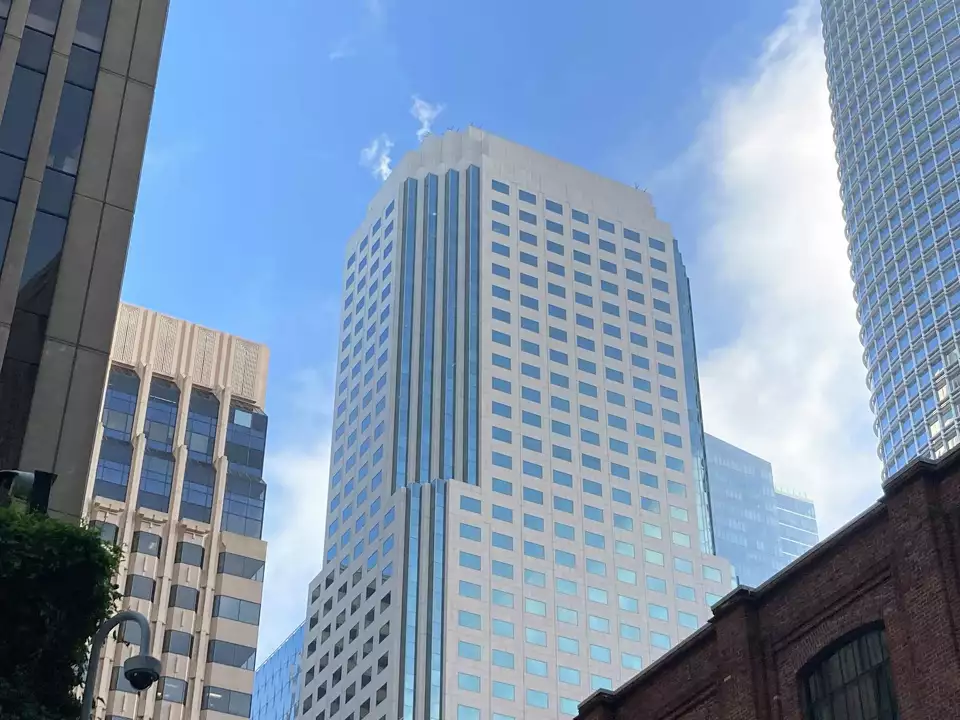
Downtown S.F.’s office buildings are guzzling tons of energy no one is using

Building experts say it’s no surprise that empty offices are burning so much energy. Electrical infrastructure like elevators consumes energy even when not in use, as do the pumps that maintain water pressure for faucets and toilets, said Eric Fournier, research director at UCLA’s California Center for Sustainable Communities. Turning these off would make it hard for buildings to “maintain a posture of openness.” A building is “kind of a living thing,” he said. “You can’t just cut the cord on it and expect it to carry on in good health for a long period of time.” Air conditioning systems are also kept on in empty buildings to avoid structural problems, mold and water-borne illnesses. The design of these large offices, many of which were built over a century ago, typically assumes a certain range of temperatures, Fournier explained. “If you deviate from that for a prolonged period, weird things happen that could be very expensive to fix.”


Profile

Book Review in Buildings & Cities

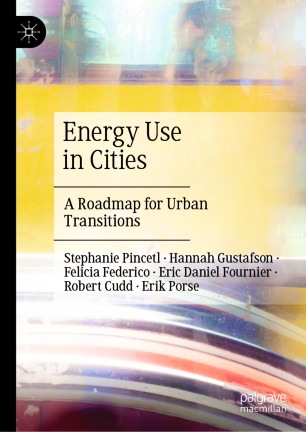
Authored by the team at CCSC about the UCLA Energy Atlas. "This book covers a remarkable breadth of topics across a compact seven chapters. The breadth is necessitated by the subject matter and authors’ ambition to construct an 'energy atlas' for the state of California from the most granular data available. The content covered will be of interest to a wide readership, particularly policymakers and researchers in the energy, built environment and policy domains. It is accessible enough to be read by non-specialists and would be of interest to anyone working or interested in the built environment or planning and the role of individuals and individual buildings in the wider transition to net zero."